
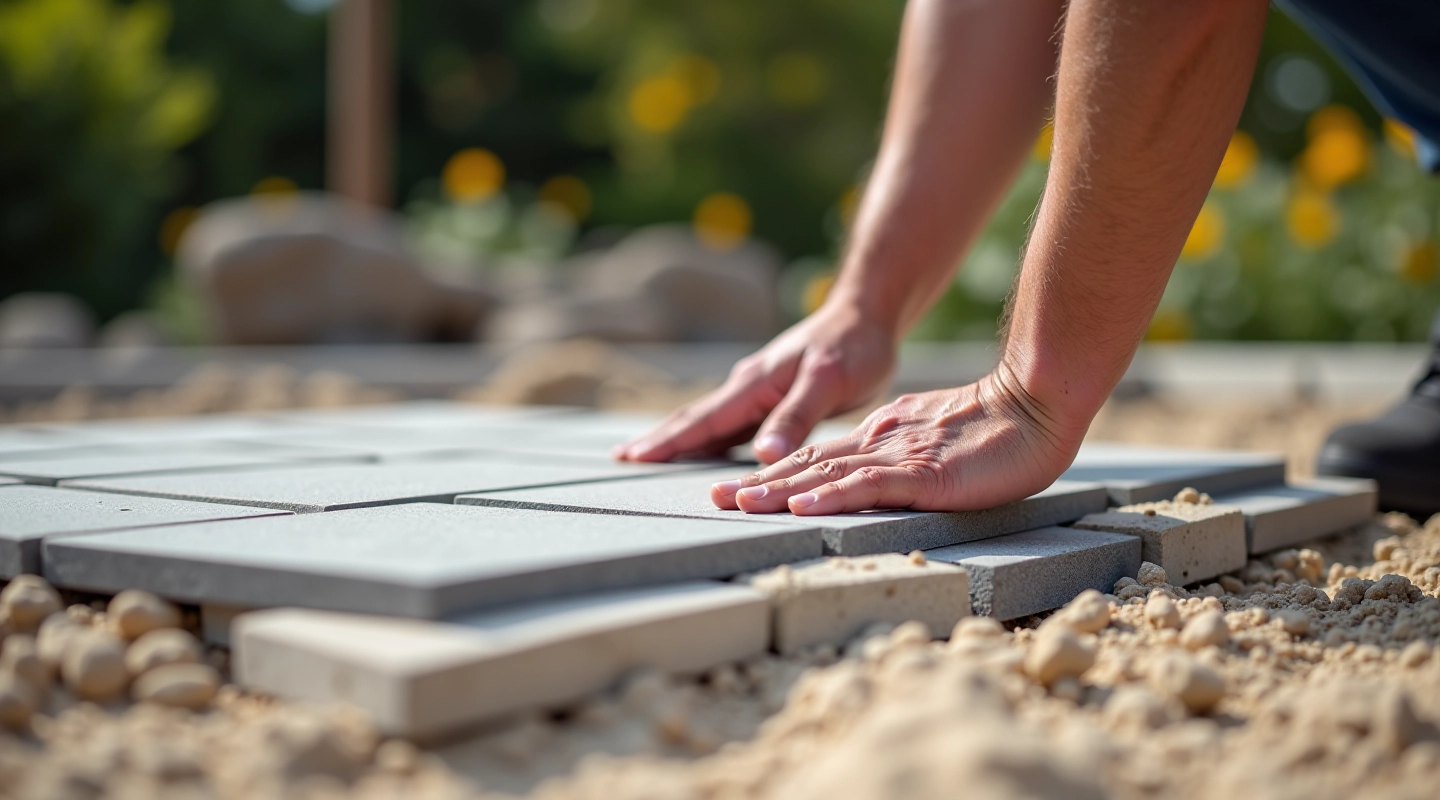
How to Prepare Your Patio Base Correctly
Step-by-step base preparation that prevents settling and uneven surfaces. Most DIY projects fail here.
Read GuideRunning bond, herringbone, and random patterns explained. Learn which layout works best for different stone sizes.

Author
Editorial Team
Written by the polaribell Editorial Team, focused on clear, practical guidance for stone patio projects in Northern European climates.
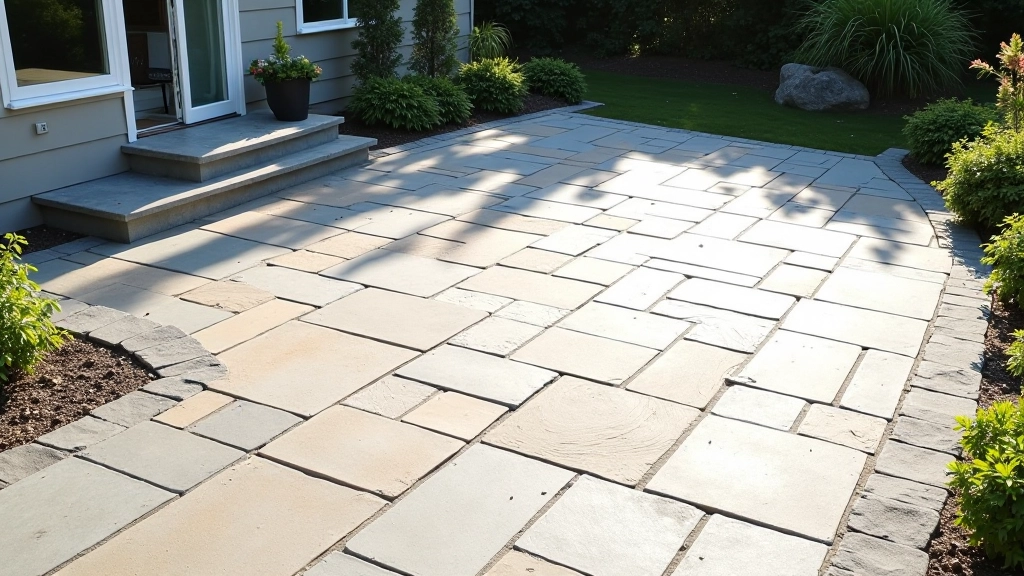
Here's the thing — the layout you choose isn't just aesthetic. It actually affects how your patio holds up over time, how water drains, and whether everything stays level after a few winters. We've seen plenty of patios that look decent for the first season, then start shifting because the pattern wasn't right for the stone size or the ground movement.
The pattern you select determines how weight distributes across your base, which joints take stress, and which areas might settle unevenly. Running bond spreads load nicely. Herringbone creates strength through angles. Random patterns? They need more planning than most people realize.
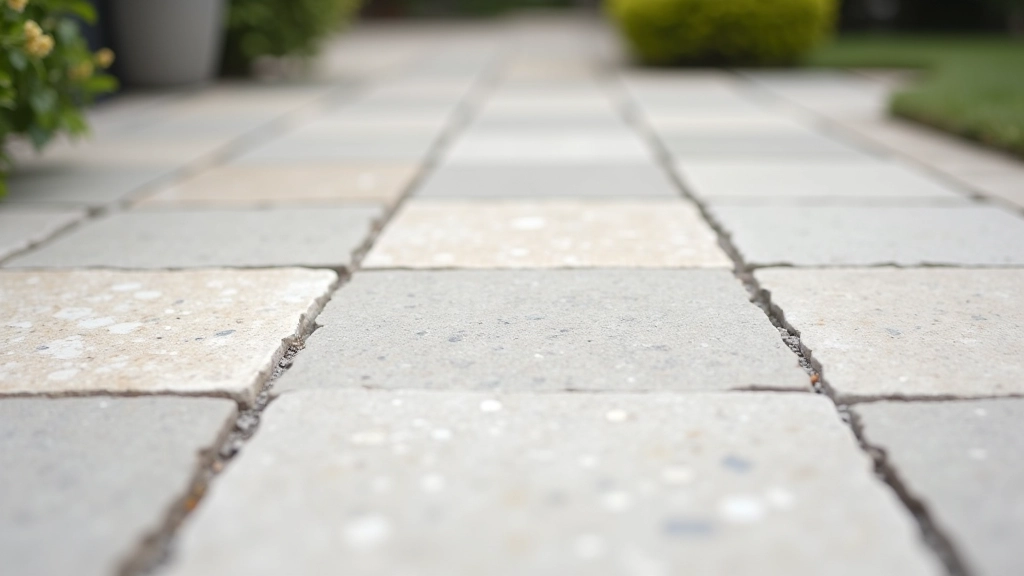
Running bond is where each stone's center point aligns with the joint above it. It's simple. It's predictable. And it's what most professionals reach for when they're working with mixed stone sizes or aren't entirely sure what the ground will do.
The pattern works because load spreads evenly. You're not concentrating stress at any particular point. When frost pushes the base up in winter, the entire surface tends to move together instead of individual stones popping out. We've used running bond on dozens of projects across Pärnu — it handles the climate well.
Best for:
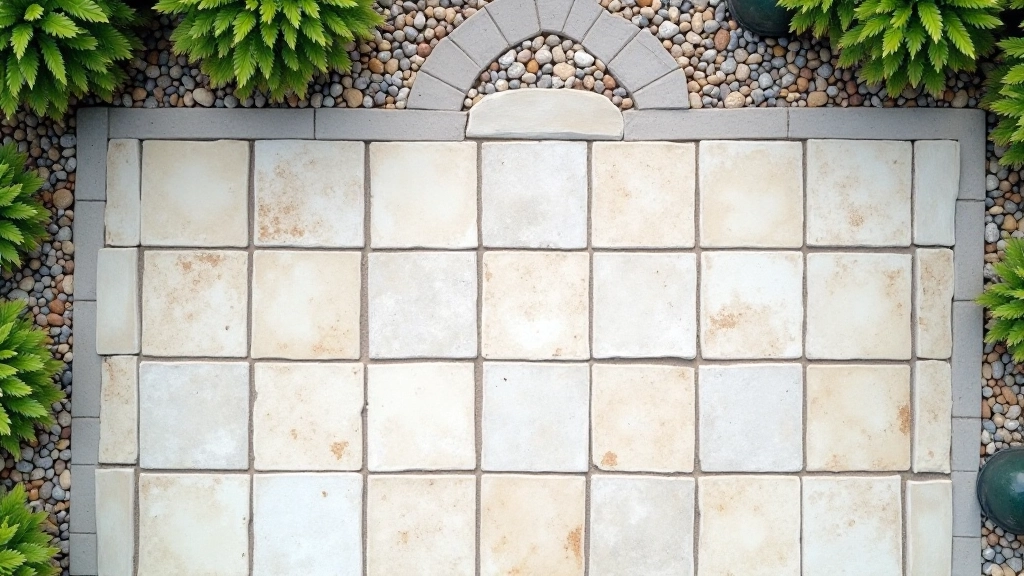
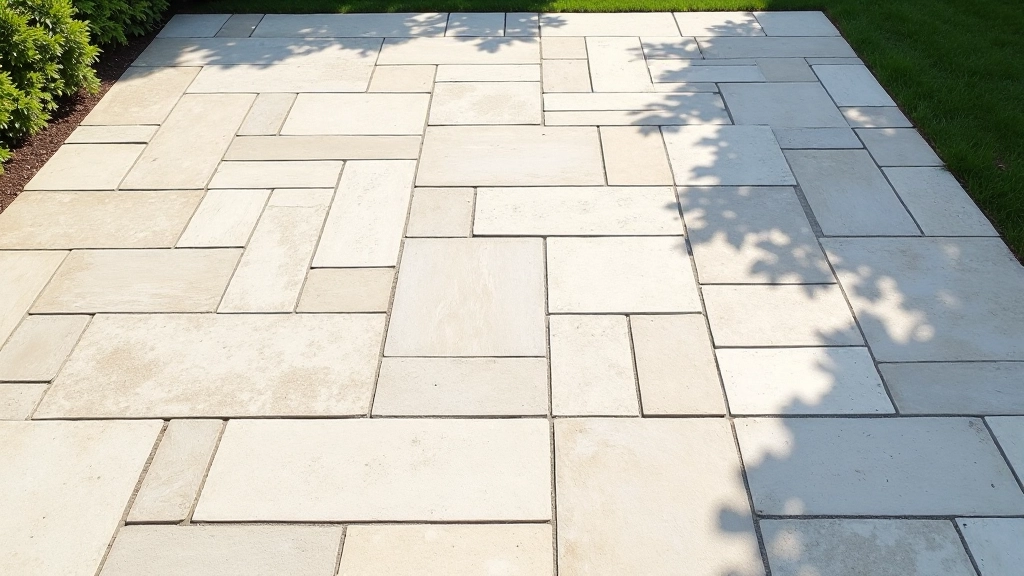
Herringbone creates those distinctive V-shaped lines that catch the eye. Rectangles at 45-degree angles, alternating direction. It's more visually interesting than running bond, and honestly, it performs better under stress because of how the angles work together.
The angled joints create natural load distribution. Think of it like how a brick chimney uses angles to stay upright. You're not fighting the pattern — the pattern helps hold everything in place. This matters in Pärnu's climate where freeze-thaw cycles push everything around. We've measured herringbone patios five years in, and they're holding tight.
One real consideration: you'll need consistent stone sizes. Herringbone doesn't forgive variation. If your stones are all within 1-2mm of each other, you're golden. If they vary wildly, the pattern falls apart visually.
Random patterns look like chaos, but they're actually the opposite. You're deliberately mixing stone sizes and orientations to create visual flow without obvious repetition. It's challenging to plan, requires serious attention to detail during layout, and honestly — it's where most DIYers run into trouble.
Here's what makes random work: you need to avoid continuous joints. That means no two vertical lines should align, and no horizontal line should extend more than about 18 inches. You're essentially playing Tetris with stone, ensuring pieces fit tight and load distributes evenly.
Success Tips for Random Patterns:
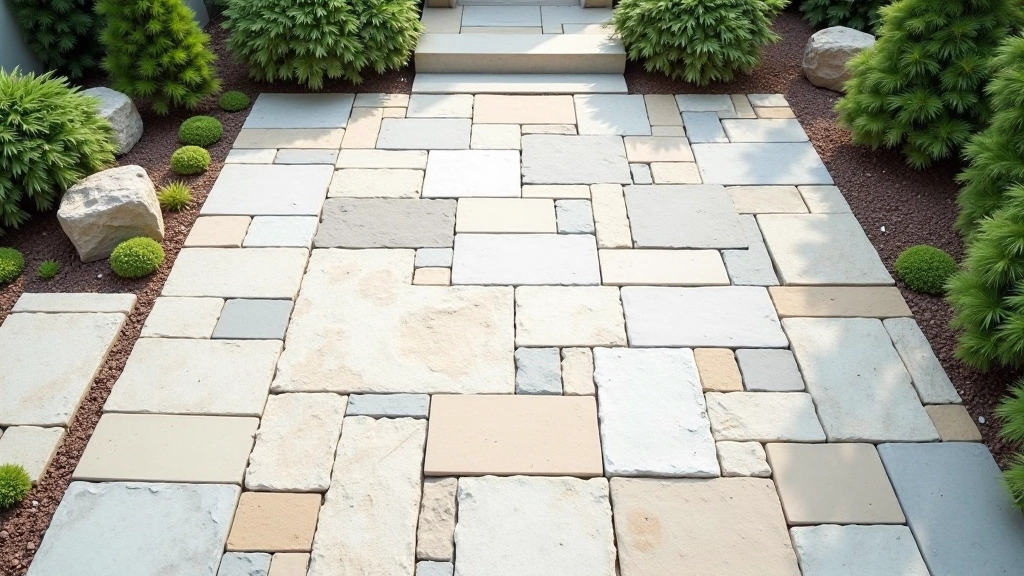
Here's what we've learned: certain patterns work better with certain stone dimensions. You can't just pick the prettiest pattern and hope it fits your materials.
Running bond works well. Herringbone gets tedious but doable. Avoid random — too many tiny pieces to manage. Your joints will be a nightmare.
This is the sweet spot for all patterns. Running bond is easiest. Herringbone looks incredible and holds perfectly. Random becomes manageable if you plan properly.
Running bond is your friend. Herringbone requires cutting, which isn't efficient. Random patterns get weird because you have so few pieces to work with.

Don't skip this part. Seriously. We've seen people buy all their stone, get to the site, and realize the pattern won't work with the patio dimensions. You're now redesigning on the fly with material costs already paid.
Start by measuring your patio space precisely. Then sketch your pattern at scale on graph paper. Account for the edge — how will you finish it? Will you cut stones to create a clean border, or work with the pattern edge as-is?
Calculate how many stones you need for each pattern. Running bond needs fewer cuts. Herringbone requires more precision. Random patterns? You'll waste 10-15% of material on test-fitting and cuts. Budget for that.
In Pärnu, we deal with serious freeze-thaw cycles. This changes how you think about pattern selection. Running bond spreads stress evenly, which means the entire surface moves together. That's good — consistent movement is easier to handle than uneven popping.
Herringbone's angles actually help here. The V-shaped joints allow slight movement without cracking. Random patterns? They're fine if installed correctly, but more complexity means more potential failure points.
Pro tip: Whatever pattern you choose, ensure your base is solid and properly compacted. A weak base will fail any pattern in our climate. Pattern is secondary to foundation — get the base right first.
This article provides general educational information about stone patio layouts and patterns. While based on practical experience, individual results depend on specific soil conditions, climate variables, stone materials, and installation technique. Always consult with local building codes, conduct site-specific assessments, and consider professional guidance for larger projects. The information here is intended to support your understanding of pattern options — not replace professional installation advice or engineering assessment.
The layout you select isn't just about looks — it affects durability, maintenance, longevity, and how your patio handles our climate. Running bond gives you reliability. Herringbone offers both beauty and structural performance. Random patterns reward careful planning with visual distinctiveness.
Start by understanding your stone sizes, measure your space accurately, and sketch your design before purchasing materials. Don't let pattern choice happen by accident. Plan it. Test it. Execute it with attention to detail. That's how professional-looking patios actually get built.
Step-by-step base preparation that prevents settling and uneven surfaces. Most DIY projects fail here.
Read Guide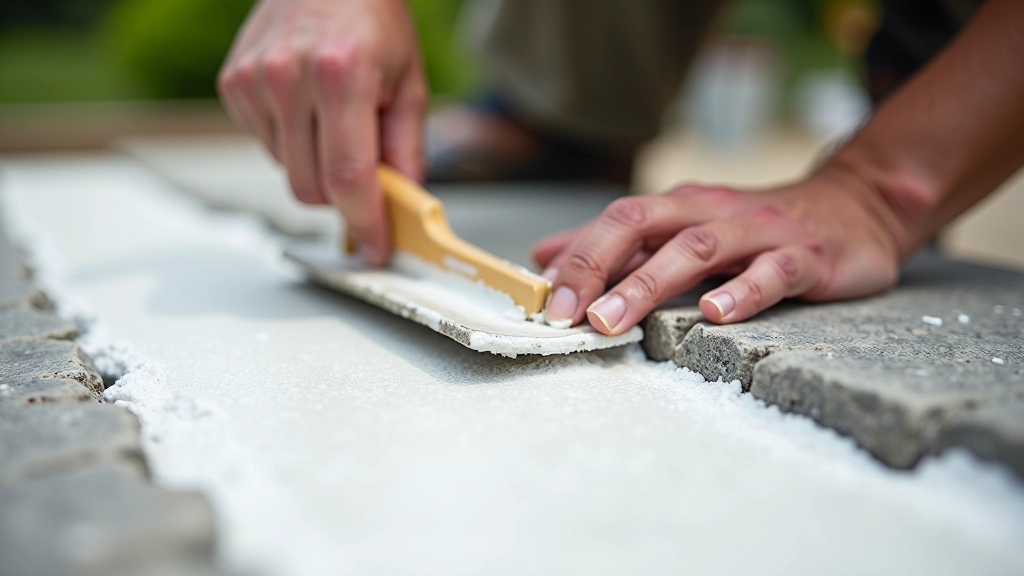
Which grout types actually survive Pärnu winters. Includes testing methods and comparisons.
Read Guide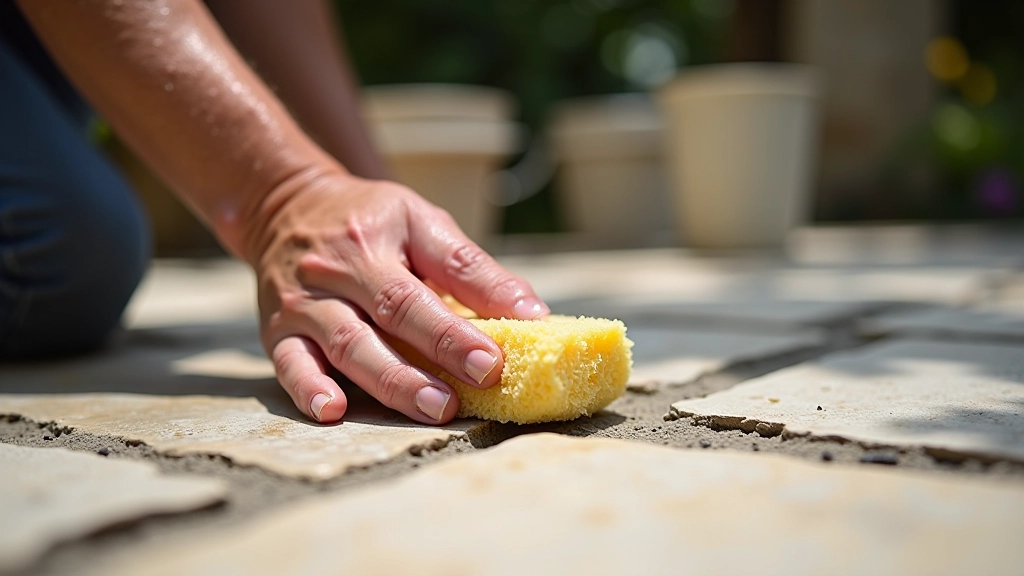
The right tools, timing, and water techniques keep your stones looking pristine during and after grouting.
Read Guide